•
•
•
•
•
•
•

Why a narrow shipping route matters to energy markets—and how to distinguish verified oil-price data from fast-changing geopolitical claims.
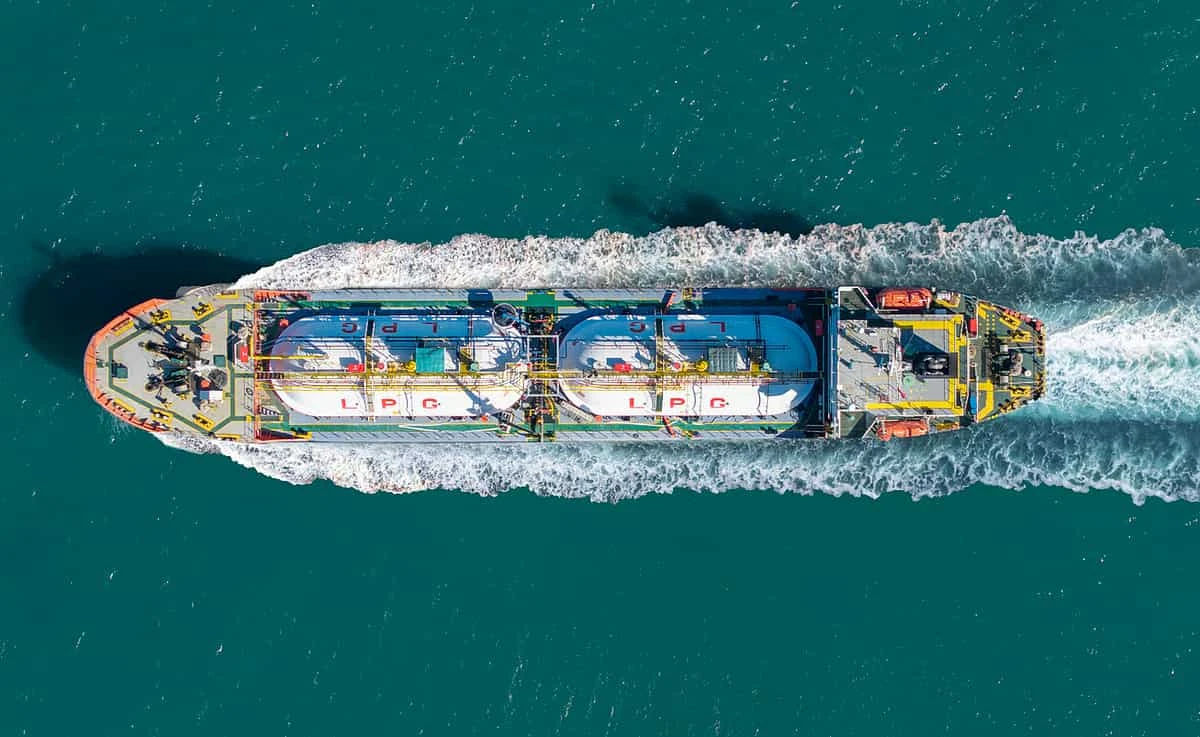
The Strait of Hormuz is a narrow waterway between Iran and Oman that connects the Persian Gulf with the Gulf of Oman and the Arabian Sea. It is one of the world's most important energy chokepoints because large volumes of crude oil, petroleum products and liquefied natural gas move through it.
When shipping through the strait faces military risk, restrictions or delays, energy markets may react even before a lasting shortage occurs. Buyers and traders price in the possibility that supplies could be interrupted, cargoes may take longer to arrive and transport costs may rise.
A headline saying oil is “near $100 a barrel” is incomplete without a date and benchmark. Brent and West Texas Intermediate (WTI) are different crude-oil benchmarks and can trade at different prices. Intraday prices can also differ from closing prices and from the price a refinery actually pays for a specific grade of crude.
For a reliable update, record:
This article explains the market mechanisms; it does not treat a single price as a live quote.
If tankers cannot transit normally, buyers may compete for alternative cargoes. Even when some ships continue to pass, uncertainty about the next shipment can influence prices and trading behaviour.
A higher perceived risk can increase war-risk insurance premiums, security costs and freight rates. Shipowners may delay voyages, reroute vessels where possible or require additional compensation. Those costs can affect delivered energy prices, although the impact varies by route, contract and cargo.
Pipelines and export terminals outside the strait can help move some supplies, but they cannot necessarily replace all the volumes that normally transit the waterway. The amount of spare capacity and the time needed to redirect flows are important factors.
Crude oil is only one part of the energy system. Disruptions can also affect diesel, jet fuel, petrol, fuel oil and LNG markets. Regional prices depend on refinery capacity, inventories, shipping availability and the types of crude each refinery can process.
India imports a large share of the crude oil it consumes, so a sustained increase in international prices can raise the import bill. The effect on households and businesses depends on exchange rates, government taxes, refinery economics and decisions by fuel retailers.
Possible channels include:
Do not assume every increase in crude prices translates directly into an equal increase at Indian petrol pumps. Retail prices are affected by several factors and can respond with a lag.
For a grounded assessment of the crisis, monitor several indicators rather than one dramatic headline:
Separate confirmed incidents from claims made by parties to a conflict. Dates, location, independent corroboration and the status of a report matter in fast-moving situations.
Yes. Prices can fall if markets expect supply to recover, demand weakens, inventories rise, alternative routes are used or traders believe the worst disruption has passed. Conversely, prices can rise on a new incident or a change in expectations even before physical supply declines sharply.
Oil prices reflect expectations about future supply and demand, not only the number of barrels moving on a particular day.
It lies between Iran and Oman and links the Persian Gulf to the Gulf of Oman and the Arabian Sea.
A substantial share of seaborne oil and LNG passes through the route. Disruption can affect supply expectations, shipping costs and insurance.
No. The final effect depends on the exchange rate, taxes, refining and marketing costs, and domestic pricing decisions.
For global headlines, Brent is commonly used as an international benchmark and WTI as a major US benchmark. Always include the quote's date and time.
The Strait of Hormuz matters because energy markets depend on reliable transport as well as production. To understand a 2026 price spike, combine dated benchmark prices with credible reporting on shipping, insurance, supply flows and diplomacy. Avoid treating unverified military claims or an undated oil-price figure as established fact.
This article was authored and reviewed by Wipidia's technical editorial desk in Jalandhar, Punjab. Every code snippet, algorithm breakdown, and strategic framework is independently tested against live production standards before publication.