

web-development
Oct 27, 2026

Production-tested architecture guides for Next.js, React Server Components, TypeScript, PostgreSQL indexing, API design, and distributed caching systems.
Showing 1–12 of 22 guides
Discover how TanStack Redact reduces browser JavaScript bundle sizes, its framework compatibility, benchmark results, and the performance trade-offs developers should consider.
TanStack Redact 0.2.0 introduces stable browser integrations for Vite, TanStack Start, Vinext, and Next.js. It aims to reduce client-side JavaScript bundle sizes while preserving compatible React code, offering developers another way to optimize web performance without rewriting their components.

AI-powered attacks, threats against employees and identity takeover: what the latest data shows and how to defend
A new survey of ransomware victims finds AI was used in 84% of attacks, identity systems were targeted in 87% and 40% involved threats against staff. This guide explains how ransomware works in 2026, why it keeps succeeding and how to protect a business or household.

Foundations that still matter
A technical checklist to help your website be crawlable, understandable and citable by both traditional search engines and AI-driven search features.
Compare Astro and Vite by architecture, rendering, interactivity, performance, project setup and the type of website you need to build.
Astro and Vite are not exact alternatives: Astro is a web framework built on Vite, while Vite is a development server and build tool that can power many frameworks. This practical comparison explains when to choose Astro, React with Vite, or another Vite-based stack.
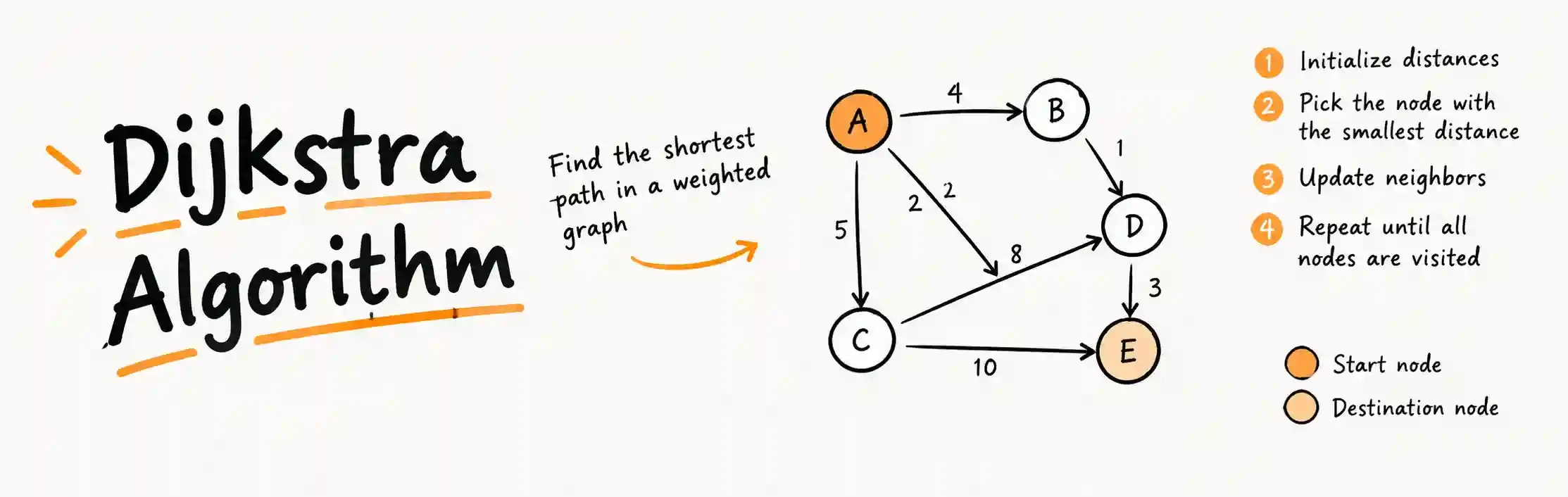
Learn how Dijkstra’s algorithm works on non-negative weighted graphs, with a worked example, implementation guidance and common mistakes.
Dijkstra’s algorithm finds shortest paths from a source vertex in a graph with non-negative edge weights. This guide explains relaxation, a worked example, priority-queue pseudocode, time complexity and when to choose BFS, Bellman–Ford or another method.
From TCP to UDP, head-of-line blocking, 0-RTT, connection migration and deployment tips
HTTP/3 runs over QUIC, a transport protocol built on UDP that integrates TLS 1.3 encryption. It reduces connection setup time, avoids transport-level head-of-line blocking and keeps connections alive when users switch networks. This guide explains how it works and how to enable it.
How each rendering model affects performance, SEO, cost and developer experience
Modern frameworks offer client-side rendering, server-side rendering, static generation, incremental regeneration, streaming and server components. This guide explains how each works, their trade-offs for Core Web Vitals and SEO, and a practical decision framework for choosing per page.
Manifests, service workers, caching strategies and when a PWA beats a native app
A progressive web app is a website that can be installed, work offline and send notifications like an app. This guide explains the web app manifest, service workers, caching strategies, push notifications, platform support including iOS, and how to decide between a PWA and a native app.
What changed from WCAG 2.1, why it matters legally and practically, and how to test
WCAG 2.2, published by the W3C in October 2023, adds nine new success criteria covering focus visibility, target size, dragging, help, redundant entry and accessible authentication. This guide explains each one with practical fixes and testing tips.
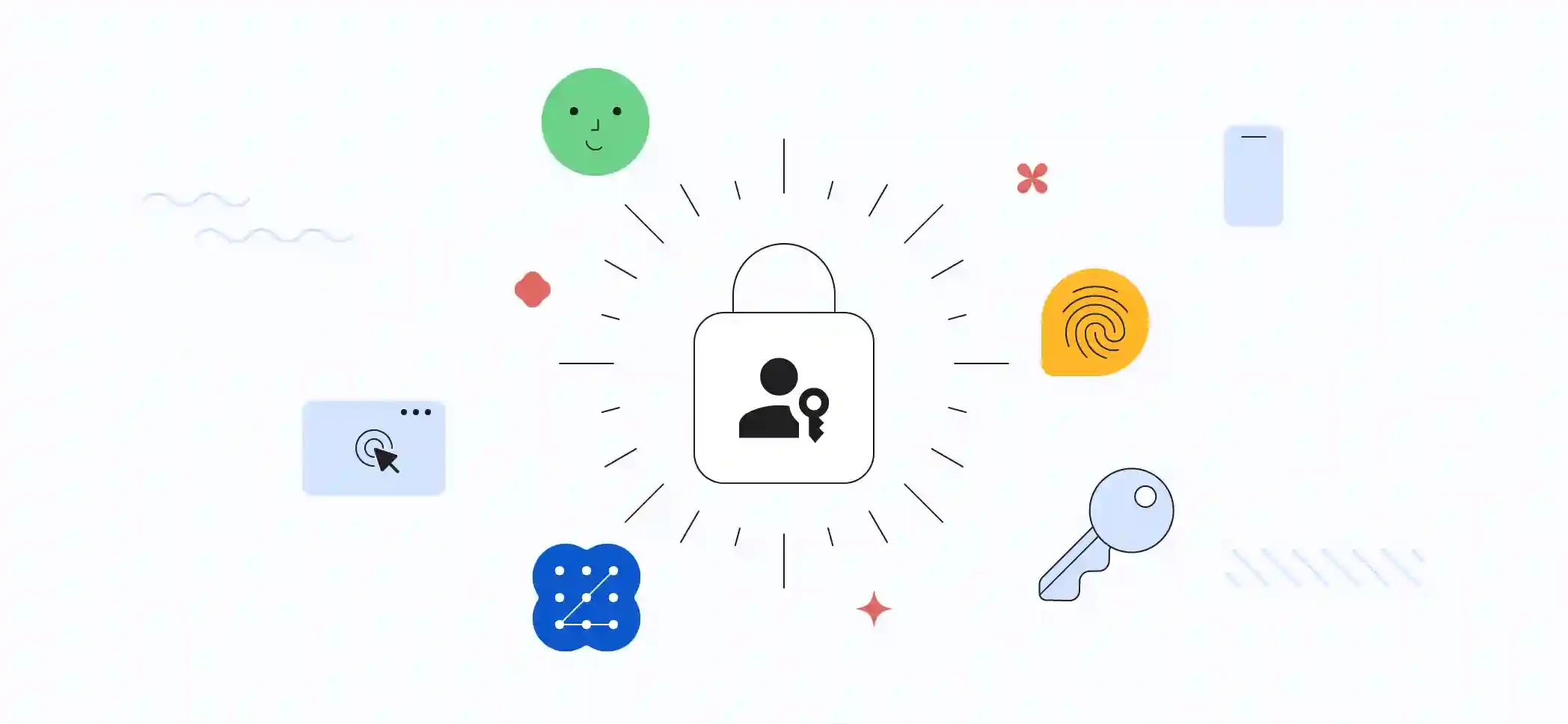
Passwords are the weakest link in web security. Passkeys replace them with phishing-resistant cryptography. Here is how they work and how to implement them.
A developer-focused guide to passkeys: how they work with public-key cryptography and WebAuthn, the registration and sign-in flows, code examples, conditional UI, account recovery, UX best practices and rollout strategy.
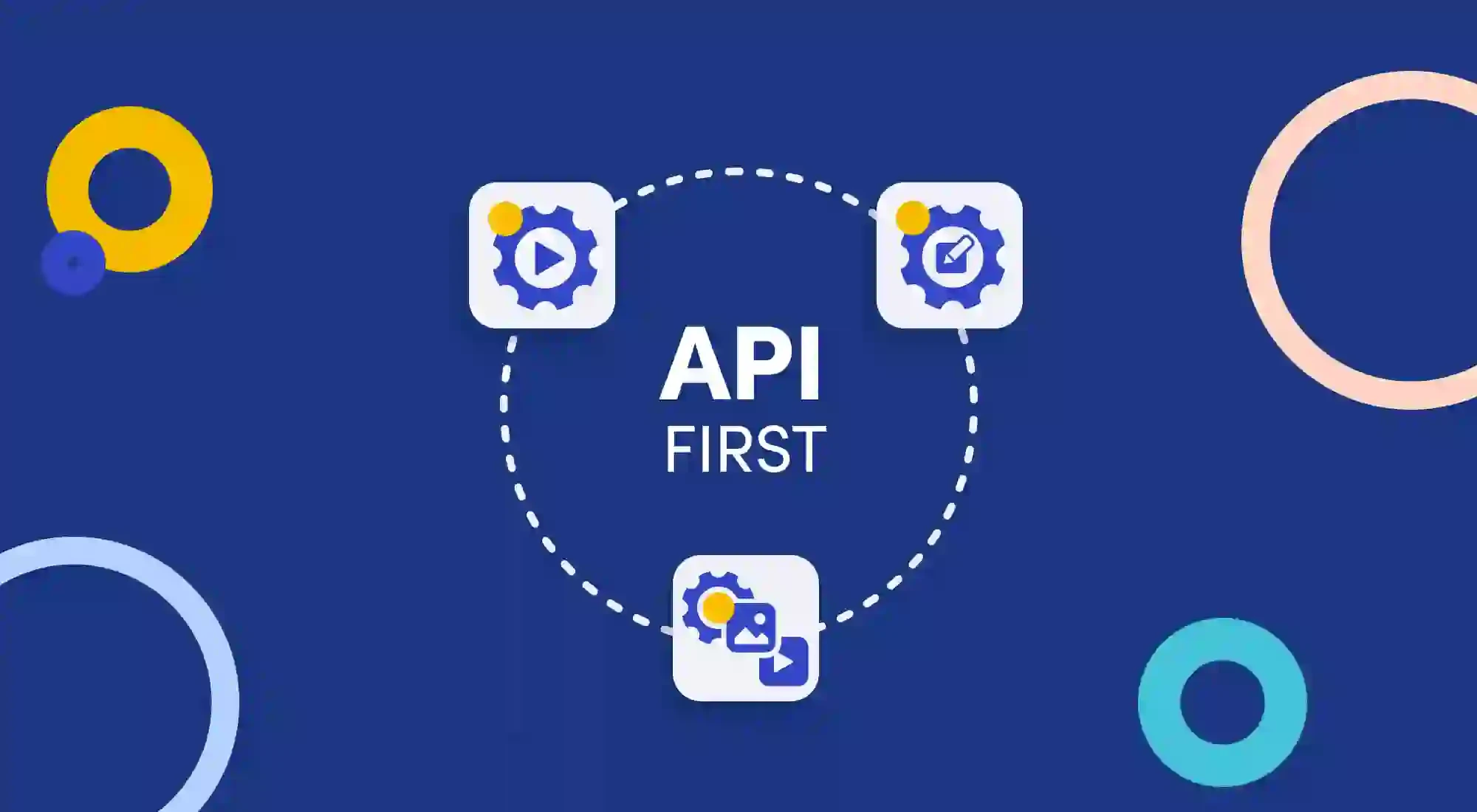
Separating content and business logic from presentation is changing how teams build and scale digital products
API-first and headless architecture decouple a website's backend content and logic from its frontend presentation layer. This guide explains how the approach works, why more teams are adopting it, and the trade-offs involved compared to traditional, tightly coupled web platforms.

Smooth, animated navigation used to require a single-page app. Modern browsers can now do it natively — even on multi-page websites.
The View Transitions API lets websites animate between states and pages with a few lines of CSS and JavaScript. This guide covers how it works, same-document and cross-document transitions, code examples, performance, accessibility and SEO considerations.
Page 1 of 2