

business
Sep 14, 2026

Explore all verified articles and guides in Business.
Showing 25–29 of 29 guides
A complete guide to India's simplified GST structure, what got cheaper, what got costlier, and why the reform matters
GST 2.0 is India's most significant indirect-tax overhaul since the Goods and Services Tax was introduced in 2017, collapsing multiple rate slabs into a simpler four-tier structure. Effective from September 22, 2025 and still reshaping prices and business behaviour through 2026, the reform has cut taxes on daily essentials, healthcare and small vehicles while raising rates on luxury and "sin" goods.

The Monetary Policy Committee held the repo rate at 5.25% for a fourth straight meeting — here's what that means for borrowers, savers and India's economic outlook
The RBI's Monetary Policy Committee kept the repo rate unchanged at 5.25% in its August 2026 meeting, marking a fourth consecutive pause. This guide explains what the repo rate is, how it reached its current level, and what a steady rate means for home loans, savings and businesses.

How India's revamped semiconductor mission fits into a broader economic expansion in FY 2026-27
India notified Semicon 2.0 on September 1, 2026, a ₹1,27,500 crore expansion of its semiconductor push, arriving alongside GDP growth of 7.8% in the first quarter of FY 2026-27 and record GST collections. This guide explains what Semicon 2.0 funds, how it fits into India's wider economic performance this year, and what it means for the country's manufacturing ambitions.

A comparative guide to major central bank policy rates and where they are headed through 2027
Major central banks entered the second half of 2026 on notably different paths: the US Federal Reserve and Bank of England holding around 3.75-4%, the European Central Bank still near historic lows but drifting upward, the Bank of Canada on hold, and the Bank of Japan continuing its slow climb out of decades of near-zero rates. This guide explains where each major policy rate stands, why they diverge, and what the direction of travel means for borrowers, savers and currency markets.
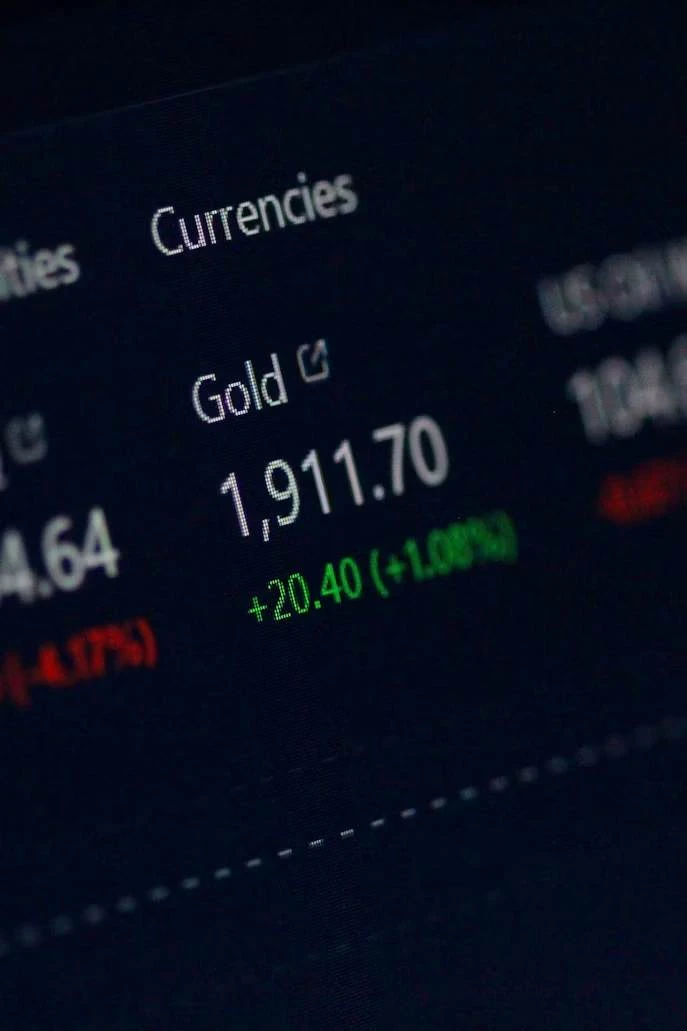
Gold prices remain under pressure as crude oil approaches $100 a barrel, reviving inflation concerns and strengthening expectations of a Federal Reserve rate hike. Investors are now watching US PPI and CPI data for the next major signal.
Gold prices are facing renewed pressure as rising crude oil prices fuel concerns over persistent inflation and increase expectations that the US Federal Reserve could keep interest rates higher or raise them further. Brent crude is trading close to the $100-per-barrel mark, while WTI crude has also climbed sharply amid escalating geopolitical tensions in the Middle East. In India, the latest rates provided stand at ₹15,431 per gram for 24K gold, ₹14,145 for 22K gold and ₹11,573 for 18K gold. Internationally, gold has also pulled back from recent highs as traders reassess the outlook for US monetary policy. The immediate focus is now on the US Producer Price Index (PPI) and Consumer Price Index (CPI), due later this week. These inflation readings could determine whether expectations of a September Federal Reserve rate hike strengthen or ease.
Page 3 of 3