

business

Rigorous analytical breakdowns of tech startup unit economics, Indian digital public infrastructure, electric vehicle technology logistics, and enterprise technology regulations.
Showing 109–120 of 157 guides
India’s new UPI monetisation model introduces MDR on select high-value merchant payments, creating both new costs for businesses and a potentially more sustainable future for the country’s digital payment infrastructure.
India’s UPI ecosystem is entering a new phase with a **0.4% Merchant Discount Rate (MDR)** on eligible merchant transactions above ₹2,000 from October 15, 2026. While customers are not directly charged the MDR, merchants handling high-value UPI payments could see their payment-processing costs rise. For most everyday users, the change may be barely noticeable. For electronics retailers, fuel stations, large stores and other businesses processing frequent high-value payments, however, the financial impact could be more significant. The bigger question is whether UPI monetisation will create friction for merchants or help build a more financially sustainable digital-payment ecosystem.

Virtual reality (VR) is transforming gaming, education, healthcare, training and business by placing users inside interactive computer-generated environments.
Virtual reality (VR) creates computer-generated environments that users can experience and interact with in real time. From immersive gaming and virtual tours to medical training and industrial simulations, VR is increasingly becoming a practical technology rather than simply an entertainment concept.

US mortgage refinance rates remain above 7% for 30-year loans, prompting homeowners to compare monthly savings, closing costs and shorter-term options before refinancing.
Mortgage refinance rates remain elevated in September 2026, with Bankrate reporting a national average 30-year fixed refinance rate of 7.07% and a 15-year rate of 6.42% on September 23. For homeowners considering refinancing, the decision depends not only on the headline rate but also on closing costs, remaining loan balance, credit profile and the time needed to recover refinancing expenses.

From creating customer value to managing finance, strategy and people, these fundamental business concepts explain how successful organizations operate and grow.
Every successful business is built around more than just a good product or an attractive idea. Businesses need to understand **customer needs, create value, generate demand, make sales, deliver what they promise and remain financially sustainable**. Alongside these core activities, operations, strategy, leadership and human resources help organizations turn ideas into functioning businesses and support long-term growth.
Astro’s server-first architecture, minimal JavaScript and fast static HTML make it a strong choice for SEO-focused websites, blogs and marketing platforms.
When choosing a framework for an SEO-driven website, developers often compare Astro, Next.js, WordPress and traditional React SPAs. While SEO ultimately depends on content, technical implementation, links and many other factors, Astro has an architectural advantage for content-heavy websites. Its biggest strength is simple: Astro sends mostly HTML to the browser and only loads JavaScript where it is actually needed. This can make performance optimization easier while giving search engines immediately available page content.

How the largest space telescope ever built is changing what astronomers know about the early universe, exoplanets, and star formation
The James Webb Space Telescope (JWST), operated jointly by NASA, ESA, and the Canadian Space Agency, has been making infrared observations of the universe since 2022. Its findings on early galaxies, exoplanet atmospheres, and star formation have challenged existing models of cosmology and continue to redefine the field of astronomy.
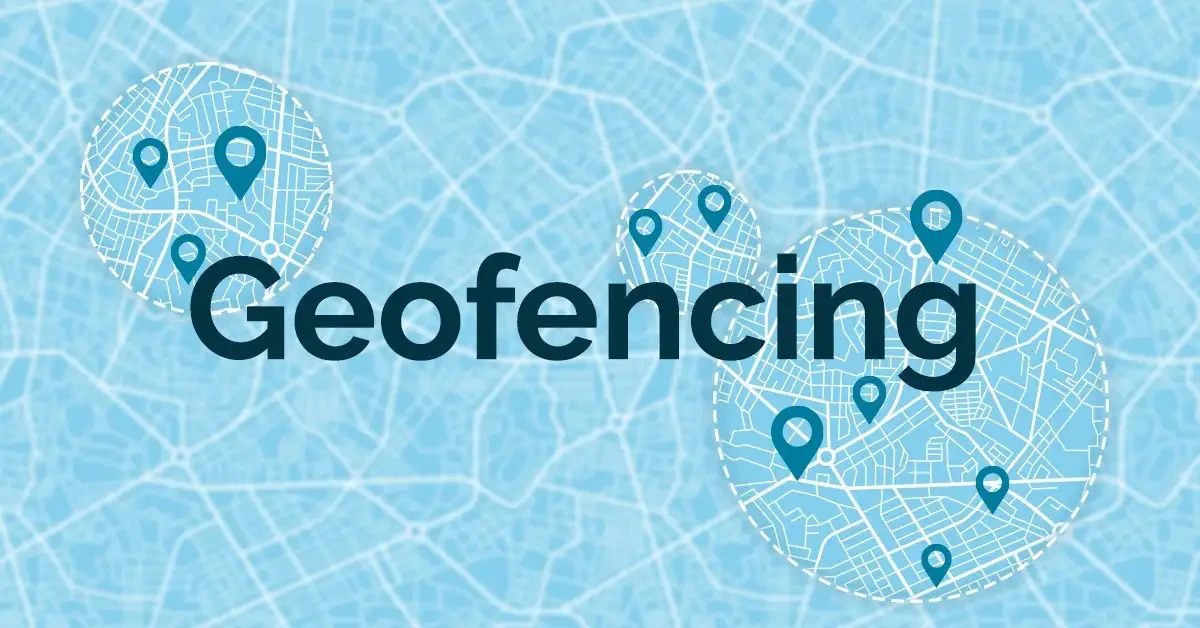
Geofencing connects a user’s physical location with digital services, helping websites and apps deliver more relevant local search results, recommendations, alerts and information.
The internet is increasingly becoming location-aware. Instead of showing the same results to everyone, websites and mobile applications can use geographical context to understand where a user is and what information may be relevant nearby. Geofencing takes this idea further by creating virtual boundaries around real-world areas and allowing software to respond when a device enters, exits or remains within those boundaries. When combined with location-based search, maps and local discovery tools, it can make online experiences more relevant and useful.

YouTube is raising the entry requirements for ad and Premium revenue sharing in its Partner Program from February 2027.
Starting February 1, 2027, new creators applying for YouTube Partner Program (YPP) ad and Premium revenue sharing will need either 8,000 qualified watch hours in the previous 365 days or 20 million qualified Shorts views in the previous 90 days, along with 1,000 subscribers. Existing YPP members will not lose their status because of these higher entry thresholds.

Comprehensive Knowledge Base & Growth Guide
Climate science explains how Earth's climate system works and why it is changing. This guide introduces the core concepts in accessible terms.
A practical look at what PWAs can actually do today, where native apps still win, and how to decide between them
Progressive Web Apps (PWAs) combine website reach with app-like features such as offline support, push notifications, and home-screen installation. This guide covers current browser and OS support, how PWAs compare with native and cross-platform frameworks, real-world adoption patterns, and when building a PWA makes more sense than shipping a native app.
.webp47411f96-0f6a-43d5-8d14-a3ef3f3a672b.webp)
Comprehensive Knowledge Base & Growth Guide
Choosing a web development stack involves trade-offs between performance, developer experience, and scalability. This guide compares popular approaches used by teams today.

Website security protects applications, users and data from attacks by combining secure coding, authentication, encryption, monitoring and regularly updated dependencies.
Website security is no longer limited to installing an SSL certificate or adding a firewall. Modern developers need to protect authentication, APIs, databases, dependencies, user input and server infrastructure against constantly evolving threats. The latest **OWASP Top 10:2025** highlights broken access control, security misconfiguration, software supply-chain failures, cryptographic failures and injection among the major risks developers should address.
Page 10 of 14