
web

Rigorous analytical breakdowns of tech startup unit economics, Indian digital public infrastructure, electric vehicle technology logistics, and enterprise technology regulations.
Showing 121–132 of 157 guides
Strict configuration, type architecture, monorepo setups, and migration strategies that scale
TypeScript best practices for enterprise applications center on strict compiler configuration, deliberate type architecture, well-structured monorepos using project references, and disciplined avoidance of escape hatches like `any`. These practices matter most at scale, where a loosely typed codebase compounds into slow builds, brittle refactors, and runtime errors that types were supposed to prevent.

Gold prices recovered as falling oil prices and softer Treasury yields eased inflation concerns despite the Federal Reserve’s latest rate hike.
Gold gained on Friday after a volatile week, supported by declining crude oil prices, lower Treasury yields and a softer dollar. The recovery came despite the Federal Reserve raising interest rates by 25 basis points and signaling that further hikes could remain possible.

Atom Computing is developing large-scale quantum computers using optically trapped neutral atoms, with recent advances in logical qubits, error correction, networking and commercial deployment.
Unlike conventional computers that process information with classical bits, quantum computers use qubits that can exploit quantum mechanical effects. Atom Computing is pursuing a neutral-atom approach, using laser-controlled atoms as qubits and targeting scalable, fault-tolerant quantum machines.
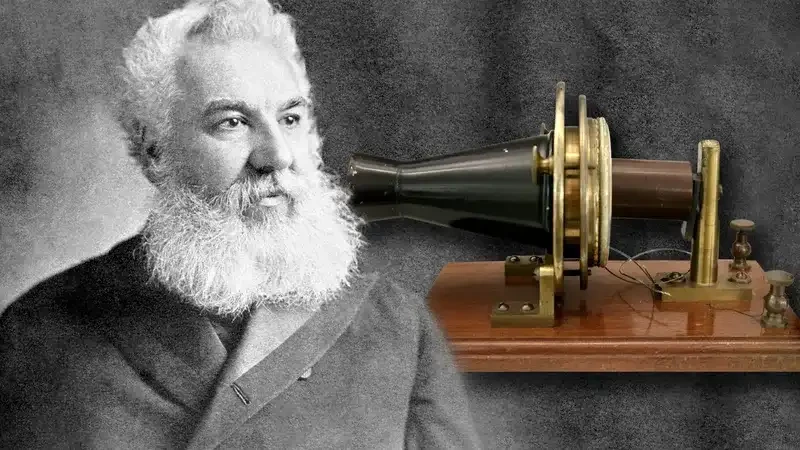
Ever wondered why we say “hello” when answering the phone? The story begins with Alexander Graham Bell, “ahoy,” Thomas Edison and the rise of the telephone.
“Hello” seems like the most natural word to begin a telephone conversation, but it was not always the preferred greeting. Alexander Graham Bell reportedly favored **“ahoy”**, while Thomas Edison promoted **“hello”** for telephone use — and his choice eventually became the standard greeting used around the world.

Comprehensive Knowledge Base & Growth Guide
Digital distribution and AI tools have transformed how art and media are created, shared, and monetized. This guide covers the major shifts affecting creators and audiences.

How to choose between containers, serverless functions, and edge deployment when designing modern application infrastructure
Cloud-native architecture is an approach to building and running applications that fully exploits the scalability, resilience, and automation of cloud platforms rather than simply hosting traditional software on rented servers. This guide explains the core building blocks, Kubernetes, serverless computing, and edge deployment, and the tradeoffs that determine which pattern fits a given workload.

Axiom Gas Engineering Limited has opened its initial public offering on September 18, 2026, bringing its PrimeFuel Auto LPG business to the NSE SME platform. With improving revenue and profit, more than 20 Auto LPG dispensing stations and fresh capital planned for expansion, the IPO has attracted investor attention. However, its SME status, Auto LPG concentration and valuation are factors investors may want to examine before making a decision.
The Axiom Gas Engineering IPO is open for subscription from September 18 to September 22, 2026. The company is looking to raise around ₹50.75 crore through a fresh issue of 93.98 lakh shares. The IPO has a price band of ₹51 to ₹54 per share, with a lot size of 2,000 shares. The proposed listing on the NSE SME platform is scheduled for September 25, subject to completion of the IPO process. Axiom operates its Auto LPG retail business under the **PrimeFuel** brand and has more than 20 Auto LPG dispensing stations across Telangana, Karnataka and Maharashtra. Alongside fuel retailing, the company is involved in gas engineering and related infrastructure services.

Comprehensive Knowledge Base & Growth Guide
From artificial intelligence to edge computing, several technology trends are transforming how industries operate. This guide surveys the developments with the broadest impact.
.webp52f48de0-3a5f-40b8-b7ce-78f8aedcff27.webp)
A practical comparison to help teams choose the right framework for their next project
React, Vue, and Svelte remain the three most widely used JavaScript frameworks in 2026, each with distinct trade-offs in performance, learning curve, and ecosystem maturity. This guide compares them across the criteria that matter most for real projects.
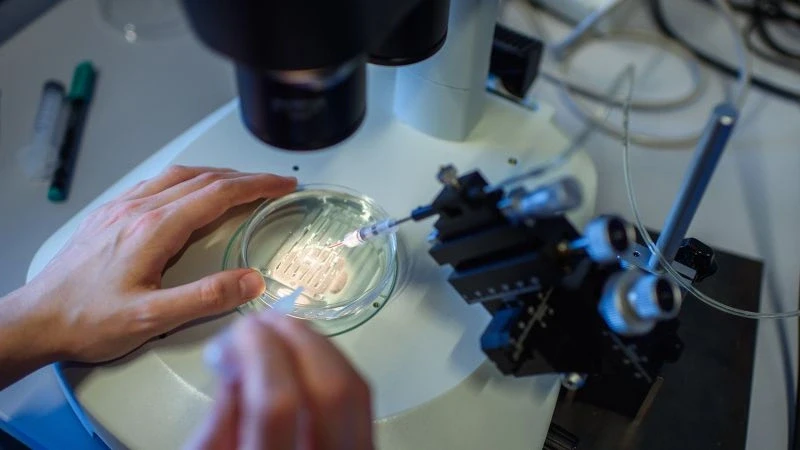
How CRISPR, base editing, and prime editing are moving from lab tool to approved therapy — and the ethical questions that come with them
CRISPR gene-editing technology has moved from a laboratory technique to a source of approved therapies for genetic blood disorders, with newer base- and prime-editing methods now in clinical trials for a wider range of conditions. This overview explains how the technology works, what is approved versus experimental, and the ethical and regulatory debates shaping its future.

Understanding the evolution of mobile network technology and what comes next
Mobile network technology continues to evolve rapidly, with 5G now widely deployed across major markets and early research into 6G already underway. This guide explains how 5G has changed connectivity, the technical foundations being laid for 6G, and what the next generation of wireless networks could mean for consumers and industries.

Twenty-nine years after her death, Princess Diana remains one of the most remembered figures of the modern royal era. From her childhood and fairytale wedding to King Charles III, motherhood, divorce, humanitarian campaigns and her tragic death in Paris, Diana's life continues to be remembered for the way she brought royal attention to people often overlooked by society.
Princess Diana was born Diana Frances Spencer in 1961 and entered the British royal family when she married the then-Prince Charles in 1981. Their marriage produced two sons, Prince William and Prince Harry, but eventually ended in divorce in 1996. Away from the formal image of royalty, Diana became increasingly associated with humanitarian causes, including homelessness, HIV/AIDS awareness, disability, children's welfare and the campaign against landmines. Her death in a Paris car crash in 1997, aged 36, triggered an extraordinary wave of public mourning. Nearly three decades later, her memory continues to surface in popular culture, charitable work and public discussion.
Page 11 of 14