

science
Oct 24, 2026

Explore all verified articles and guides in Science.
Showing 1–12 of 22 guides
NASA has revised its Artemis Moon mission plans, bringing SpaceX Starship and Blue Origin Blue Moon into focus as the agency targets a crewed lunar landing in 2028.
NASA is changing its Artemis mission architecture to accelerate humanity’s return to the Moon. The revised plan will use Artemis III to test spacecraft docking and lunar lander technologies in Earth orbit in 2027, preparing for a planned crewed lunar landing in 2028.
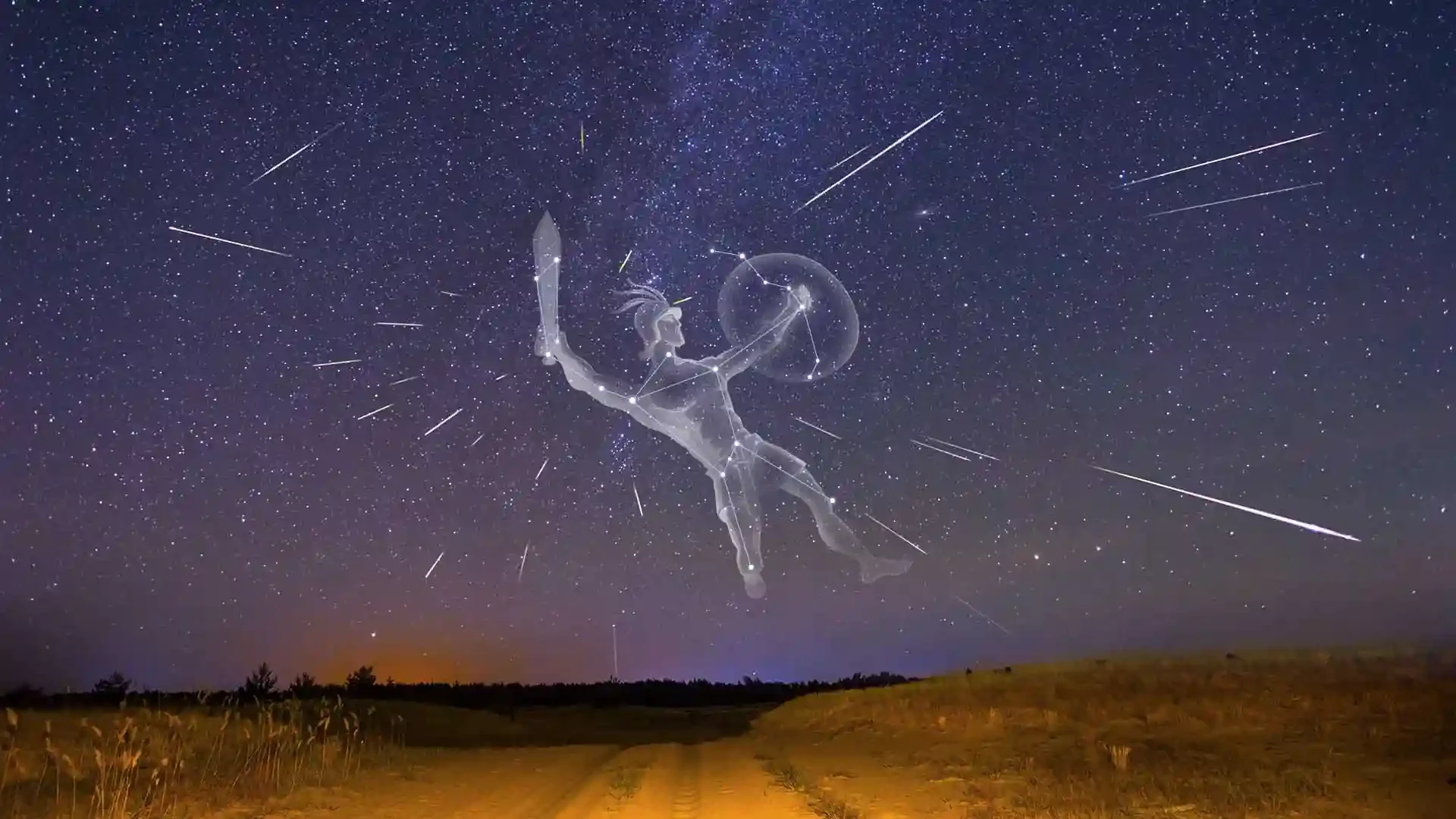
A complete viewing guide for the 21–22 October peak, including tips for India
The Orionid meteor shower, created by dust from Halley's Comet, peaks around the night of 21–22 October 2026. With the waxing gibbous Moon setting after midnight, the pre-dawn hours offer the best views. This guide covers when and where to look, how many meteors to expect and practical viewing tips.
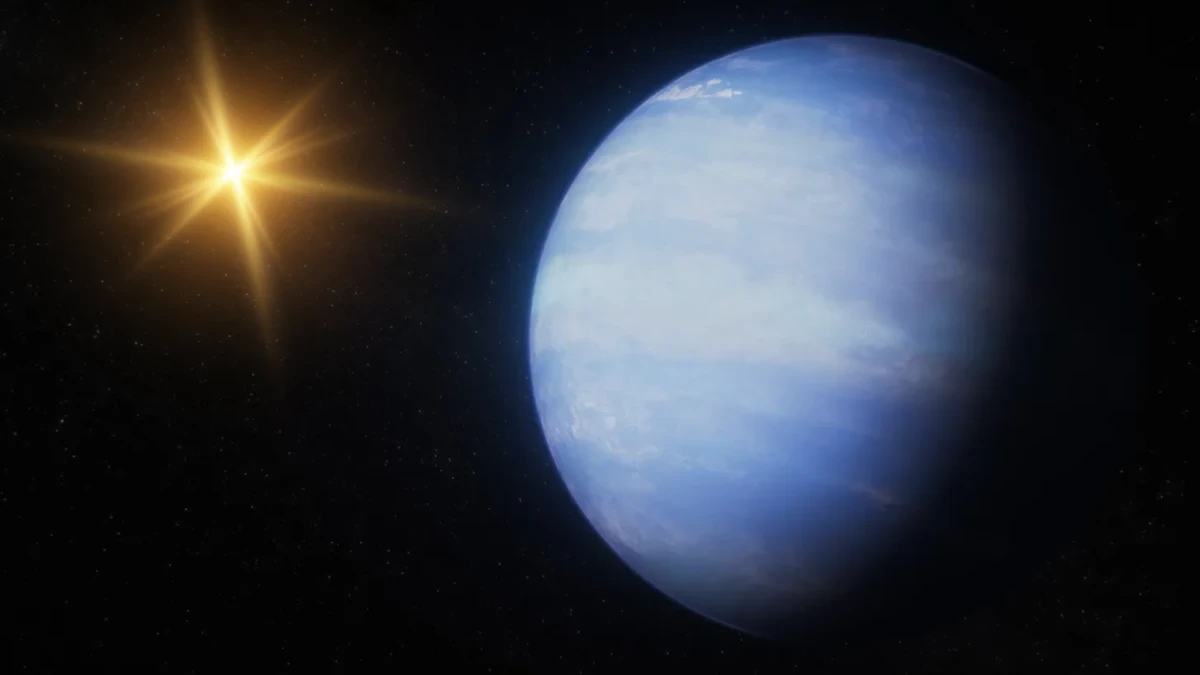
JWST observations and a technique called transmission strings reveal that the hot Jupiter WASP-17b has an uneven atmospheric edge shaped by extreme heat and winds.
Researchers used the James Webb Space Telescope and a method called transmission strings to map atmospheric differences around WASP-17b, a hot Jupiter about 1,300 light-years away. The study helps astronomers test models of exoplanet weather, but it is not a direct photograph and does not indicate that the planet could support life.
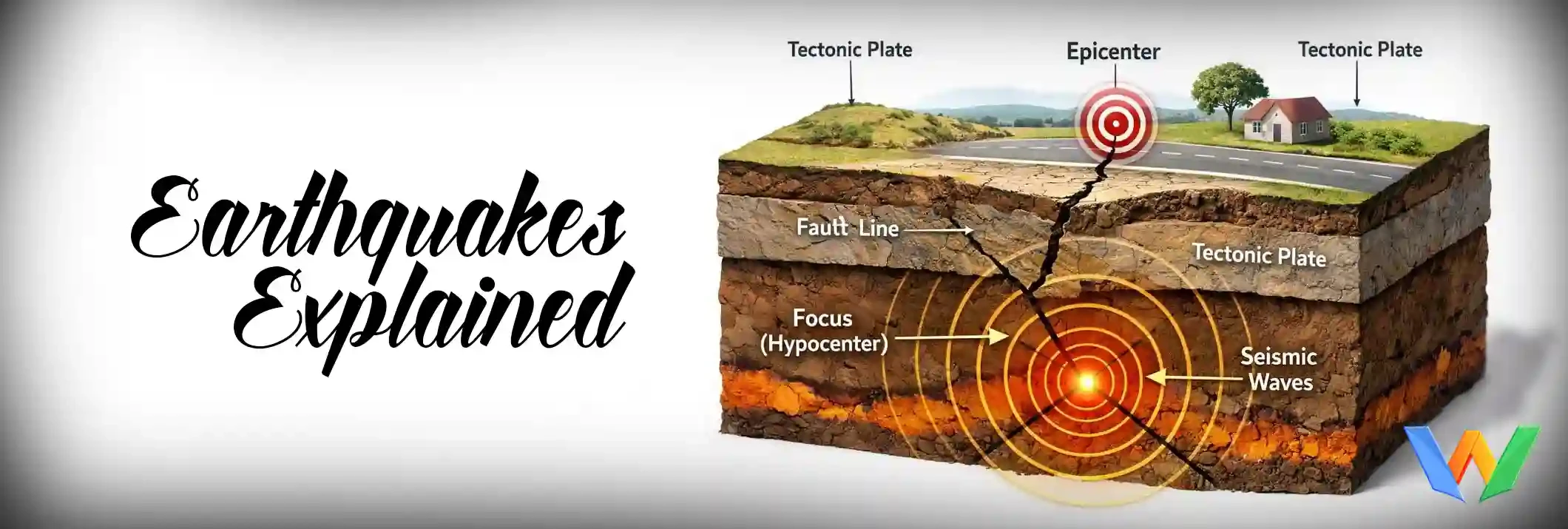
Earthquakes occur when stress is released along faults. Learn how seismic waves work, how magnitude differs from intensity, and why the deadliest quake is not always the strongest.
A practical, sourced guide to earthquake causes, tectonic and other types, magnitude versus intensity, preparedness and major historical disasters. Historical death tolls are estimates and can vary by source.
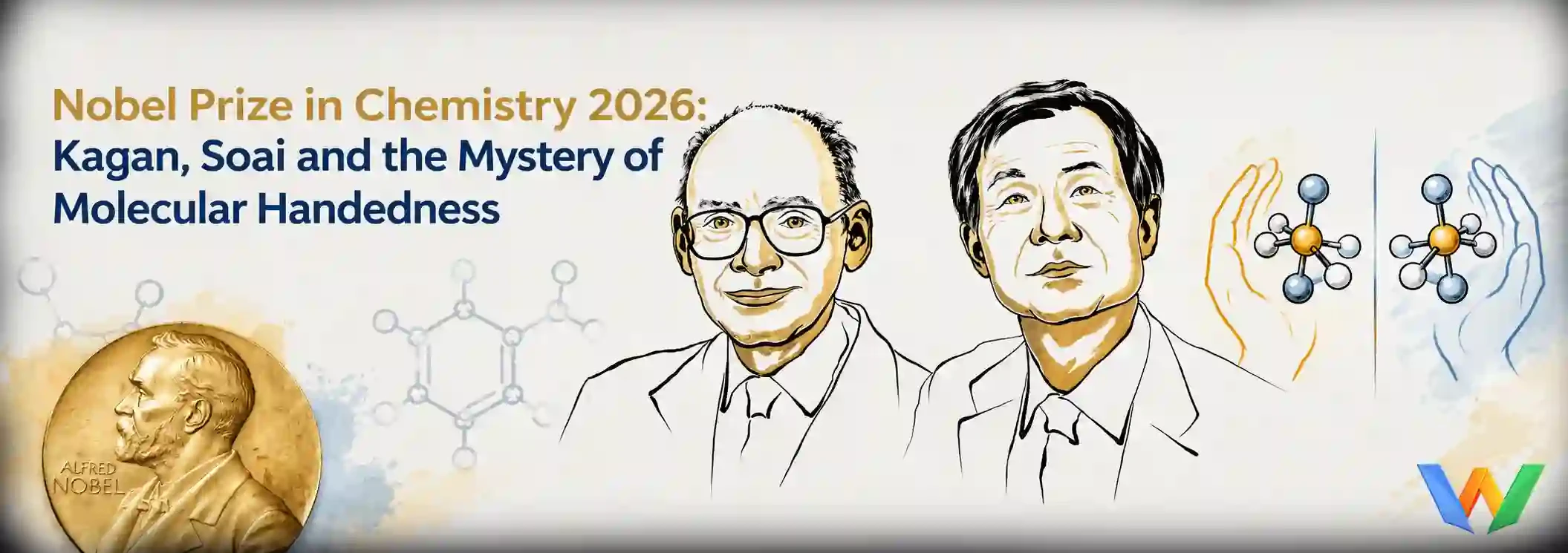
The 2026 Chemistry Nobel honours discoveries in asymmetric organic synthesis that help explain how one mirror-image form of a molecule can become dominant in a reaction.
The 2026 Nobel Prize in Chemistry went to Henri B. Kagan and Kenso Soai for discoveries involving nonlinear effects and autocatalysis in asymmetric organic synthesis. Their work helps chemists control molecular chirality, which matters in pharmaceuticals and research into the handedness of life's molecules.
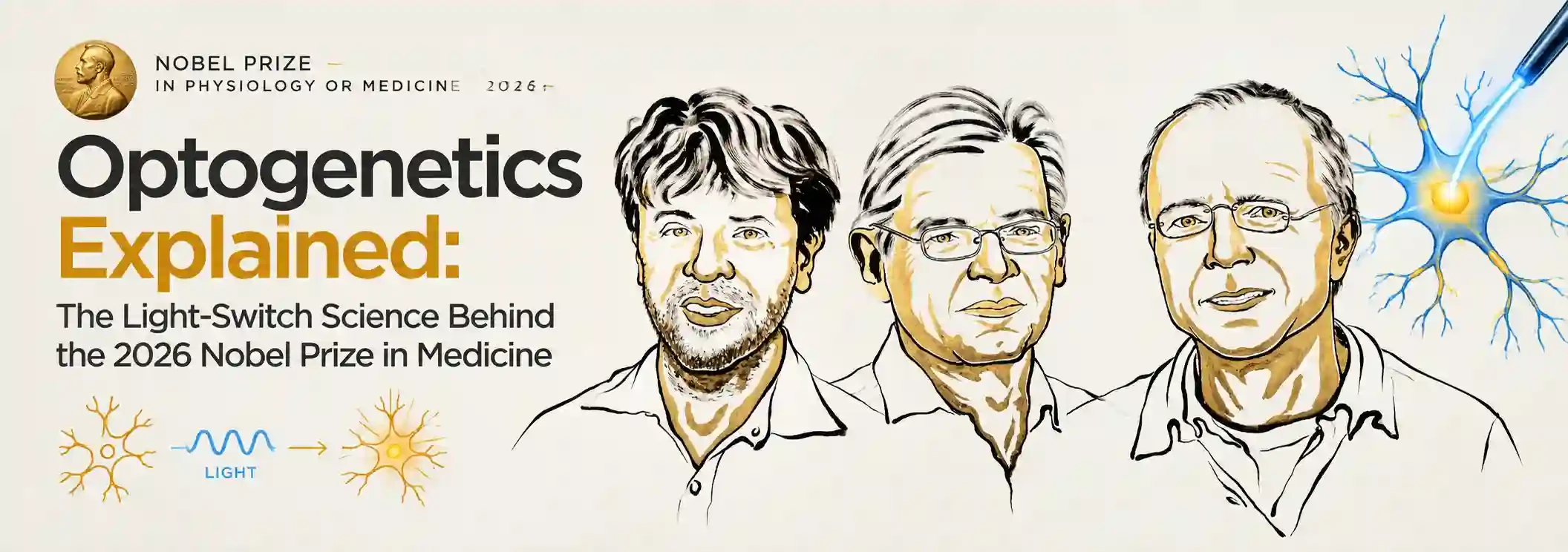
How light-sensitive proteins let researchers control selected nerve cells, what the Nobel-recognised discoveries achieved, and what remains experimental.
An accessible, carefully sourced explanation of optogenetics and the 2026 Nobel Prize in Physiology or Medicine awarded to Karl Deisseroth, Peter Hegemann and Georg Nagel, including how channelrhodopsins work, research uses, limitations and the gap between laboratory tools and treatments.

A guide to IceCube's Antarctic neutrino observatory, how neutrinos are detected and why source identification is scientifically challenging.
An explainer on Francis Halzen's work and the IceCube Neutrino Observatory, covering neutrino detection in Antarctic ice, cosmic sources, scientific uncertainties and official sources. Verify any claim about a 2026 Nobel Prize against the Nobel Foundation's official announcement.
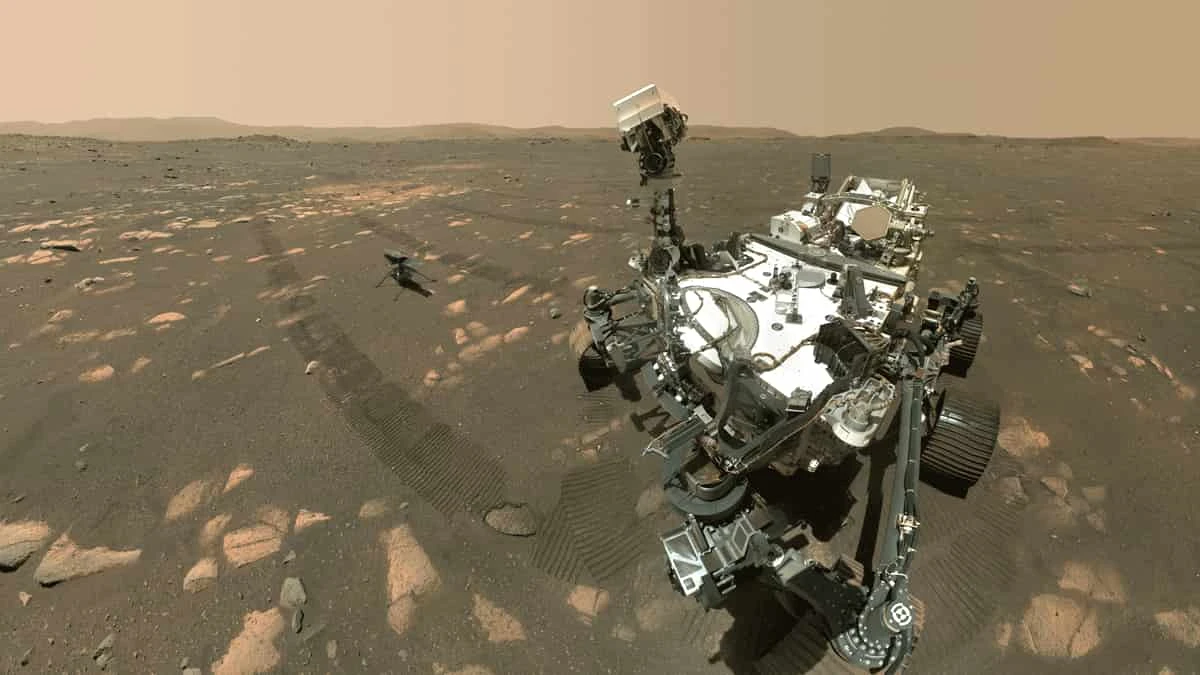
Flybys, orbiters, landers, rovers, India's Mangalyaan and the search for ancient life
Humans have studied Mars with spacecraft since 1965. This guide traces key missions from Mariner 4 and Viking to Mangalyaan, Curiosity, Perseverance and China's Zhurong, explains what we have learned about water and habitability, and outlines future sample-return and crewed ambitions.
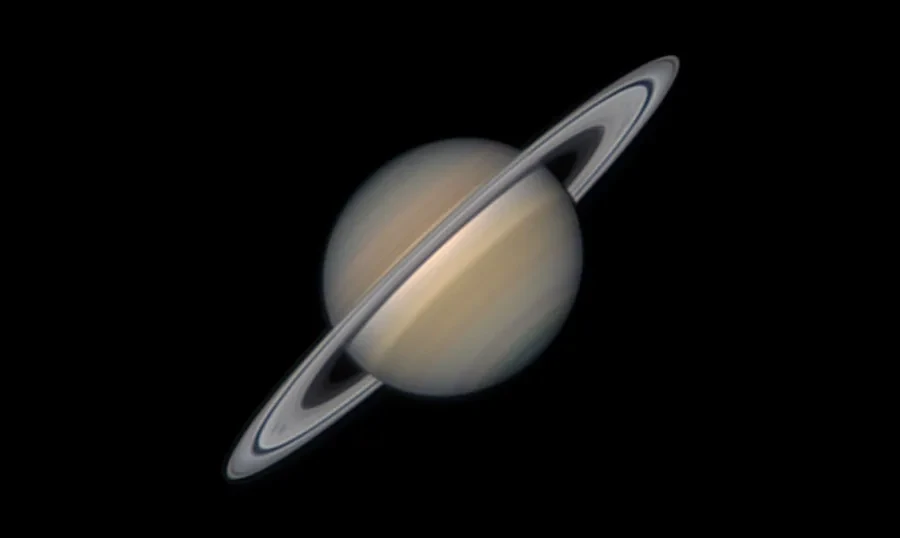
Saturn reached opposition on October 4, 2026, shining at its brightest of the year. Here's how to spot the rings, moons, and other October sky events.
Saturn reached opposition on the night of October 3–4, 2026, making it larger and brighter than at any other point this year. Its rings are tilting open again after last year's edge-on view, and a small telescope is enough to see them. This guide covers what to look for, how to observe it, and the other sky events lined up for October.
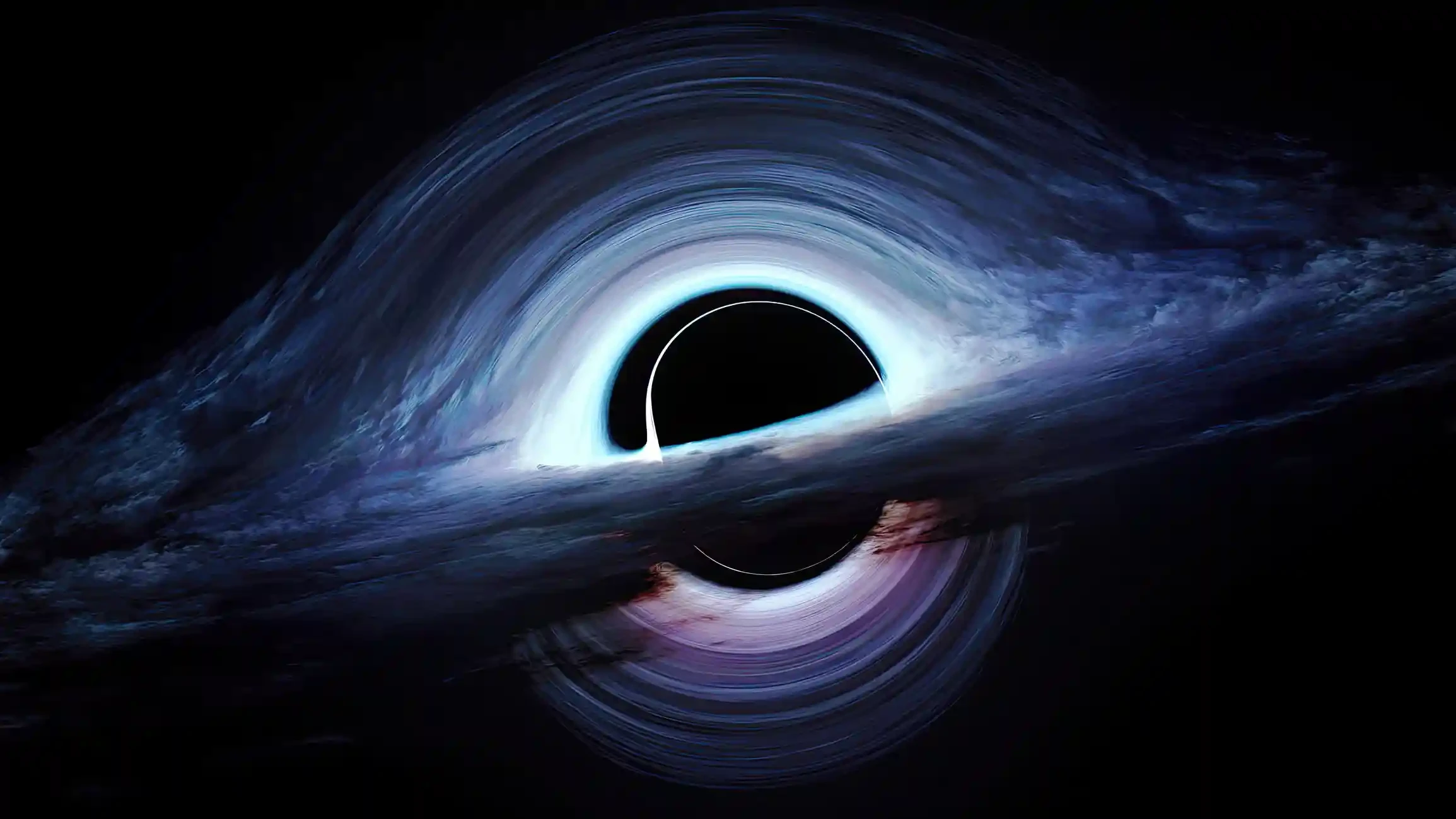
From Einstein's equations to the first images of M87* and Sagittarius A*
Black holes are regions of spacetime where gravity is so strong that nothing, not even light, can escape. This guide explains how they form, their types, the event horizon, the landmark gravitational-wave detection and Event Horizon Telescope images, and open questions such as the information paradox.

Research-backed techniques that help students retain more in less time
Re-reading and highlighting feel productive but are among the least effective ways to learn. Decades of cognitive-science research point to active recall, spaced repetition and interleaving as far more reliable techniques. This guide explains the science and shows how students and exam aspirants can apply it daily.
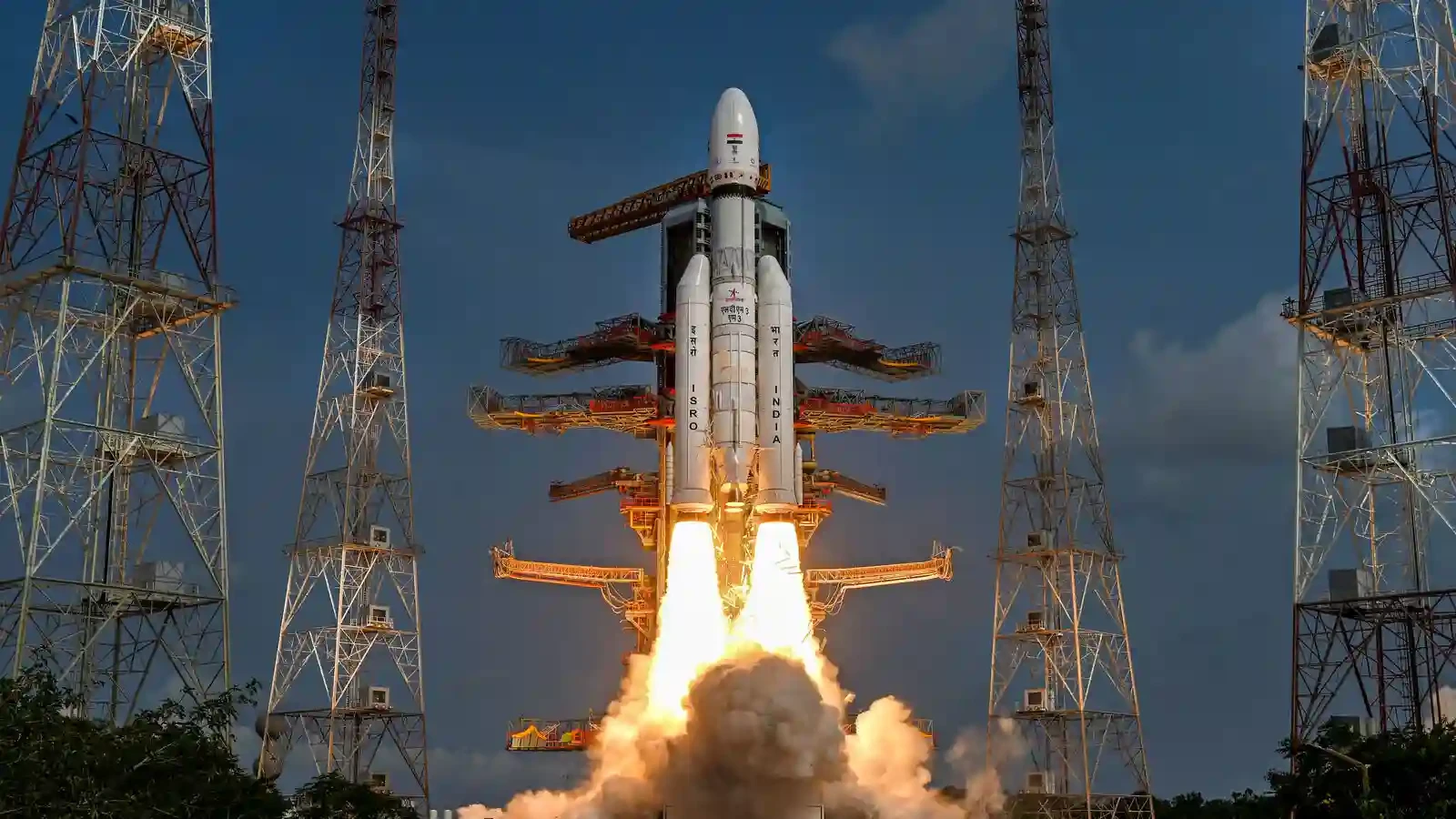
From Skyroot and Agnikul to satellite startups and industry-built rockets, India's space sector is opening up. Here is how it works and what comes next.
A complete guide to India's private space sector: the reforms since 2020, the roles of ISRO, IN-SPACe and NSIL, key startups and milestones, FDI rules, industry manufacturing of launch vehicles, challenges and the economic opportunity.
Page 1 of 2