
digital-marketing

Deep-dive technical guides on search engine optimization algorithms, crawl budget optimization, server response latency, Core Web Vitals engineering, and programmatic indexing scripts.
Showing 13–24 of 61 guides
Features, costs, use cases and how to get started in India
The WhatsApp Business API lets companies send and receive WhatsApp messages at scale through their own software. This guide covers how it works, how it differs from the Business app, typical costs, compliance rules and how Indian businesses can get started.
How agentic browsers like Comet, Atlas and Dia work, and what they mean for SEO
An AI-native browser is built around an AI assistant that can read pages, answer questions and complete multi-step tasks for you. This guide explains how they work, compares leading examples such as Comet, Atlas and Dia, and covers the privacy risks and SEO implications.
Titles, thumbnails, retention, chapters, captions and Shorts strategy that actually move the needle
YouTube recommends videos based on viewer satisfaction signals such as click-through rate, watch time and engagement, supported by clear metadata. This guide covers keyword research, titles, thumbnails, descriptions, chapters, captions, retention tactics, Shorts and appearing in Google video results.
Measuring SEO in the AI era
Google Search Console treats an entire AI Overview as a single block and assigns the same position to every link inside it. This guide explains how that distorts position data and which metrics to rely on instead.
A pillar-to-micro framework for blogs, video, social, email and podcasts without diluting quality
Content repurposing turns one strong asset, such as a guide, webinar or study, into formats suited to each channel. This guide explains the pillar-to-micro framework, channel-specific adaptation, a sample 30-day calendar, tools, SEO cautions about duplication, and how to measure results.

Moving from keywords to entities with structured data, consistent identity and topical clarity
Modern search engines and AI assistants organise information around entities: people, places, organisations and concepts. This guide explains the Knowledge Graph, how entities are identified and connected, and practical steps to strengthen your brand's entity signals with schema, sameAs links and consistent information.

Zero-click search and what to do next
A randomized field experiment with about 1,100 tracked Google users found that AI search features reduced clicks to external websites. This guide unpacks the findings and what publishers and marketers should do about them.
A practical recovery guide
Google's September 2026 spam update began rolling out on September 24, with a second phase reported on September 30. This guide explains what spam updates are, how they differ from core updates, and how to diagnose and recover from a ranking drop.

How to make images fast, accessible and discoverable in Google Images and Lens
Images affect page speed, accessibility and visibility in Google Images and visual search. This guide covers descriptive alt text, file names, WebP and AVIF formats, responsive images, lazy loading, LCP optimisation, structured data and image sitemaps.
Google Business Profile optimisation, reviews, citations and location pages explained
Local SEO helps businesses appear when nearby customers search for products and services. This guide explains Google's three local ranking factors, how to optimise a Google Business Profile, manage reviews ethically, build consistent citations and create useful location pages.
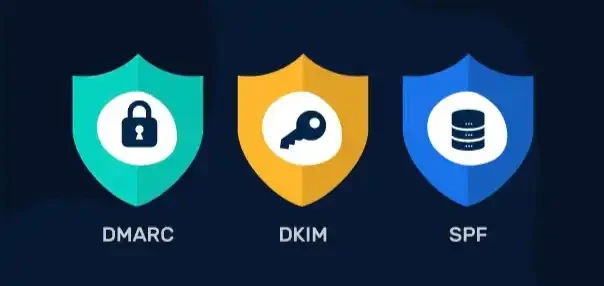
How the three records work together, what Gmail, Yahoo and Outlook now require, and a safe rollout plan
SPF, DKIM and DMARC are DNS-based standards that prove your emails are genuinely from your domain. Since 2024, major mailbox providers require them for bulk senders. This guide explains each record, shows examples, and gives a step-by-step DMARC rollout plan.
.webp2f3b45a6-9fc1-44a5-83e1-7d4c3dbf8478.webp)
The retrieve-then-generate pipeline behind AI answers, and what it means for publishers
Retrieval-augmented generation combines search with large language models so AI answers are grounded in fetched documents. This guide explains the RAG pipeline step by step, why it reduces hallucinations, its limits, and how website owners can make their content easier to retrieve and cite.
Page 2 of 6