
.webpda0d0a12-a141-492e-85b2-63032275842a.webp)
technical-seo

Deep-dive technical guides on search engine optimization algorithms, crawl budget optimization, server response latency, Core Web Vitals engineering, and programmatic indexing scripts.
Showing 25–36 of 61 guides
Crawl capacity, crawl demand and the practical fixes that matter for large websites
Crawl budget is the number of URLs Googlebot can and wants to crawl on a site. It rarely matters for small sites but becomes critical for large, fast-changing ones. This guide explains crawl capacity and demand, the signs of crawl problems and a checklist of fixes.

A week-by-week festive playbook for Indian brands, from Navratri on October 11 to Bhai Dooj on November 10
India's 2026 festive season runs later than usual because of Adhik Maas: Navratri begins October 11, Dussehra falls on October 20 and Diwali on November 8. This guide lays out a phased marketing calendar, budget split, creative ideas and measurement plan.
.webp9dce81e5-8fb6-4c94-ab2b-e64a74992c7b.webp)
What the new AI Mode button, longer conversational queries and falling click-through rates mean for users, publishers and businesses
Google says its AI Mode now has more than 1 billion monthly users, a scale comparable to ChatGPT, as the company places AI Mode entry points directly on the Google homepage and below AI Overviews. Research cited in September 2026 shows users write longer queries in AI Mode, trust its answers and click out far less, with significant consequences for publishers and retailers.

How marketers are rethinking measurement as third-party tracking fades and AI reshapes the customer journey
As third-party cookies become less reliable and AI-driven search and content experiences reshape how customers discover brands, traditional marketing attribution models are breaking down. This guide explains why attribution has become harder, and outlines a practical framework for measuring marketing effectiveness in this changed environment.

Authentication, one-click unsubscribe and low complaint rates are no longer optional. Here is a step-by-step playbook for marketers.
Major mailbox providers now enforce strict rules for bulk senders. This guide explains SPF, DKIM, DMARC, one-click unsubscribe, spam-rate thresholds, list hygiene and monitoring — with a practical checklist to protect email marketing performance.
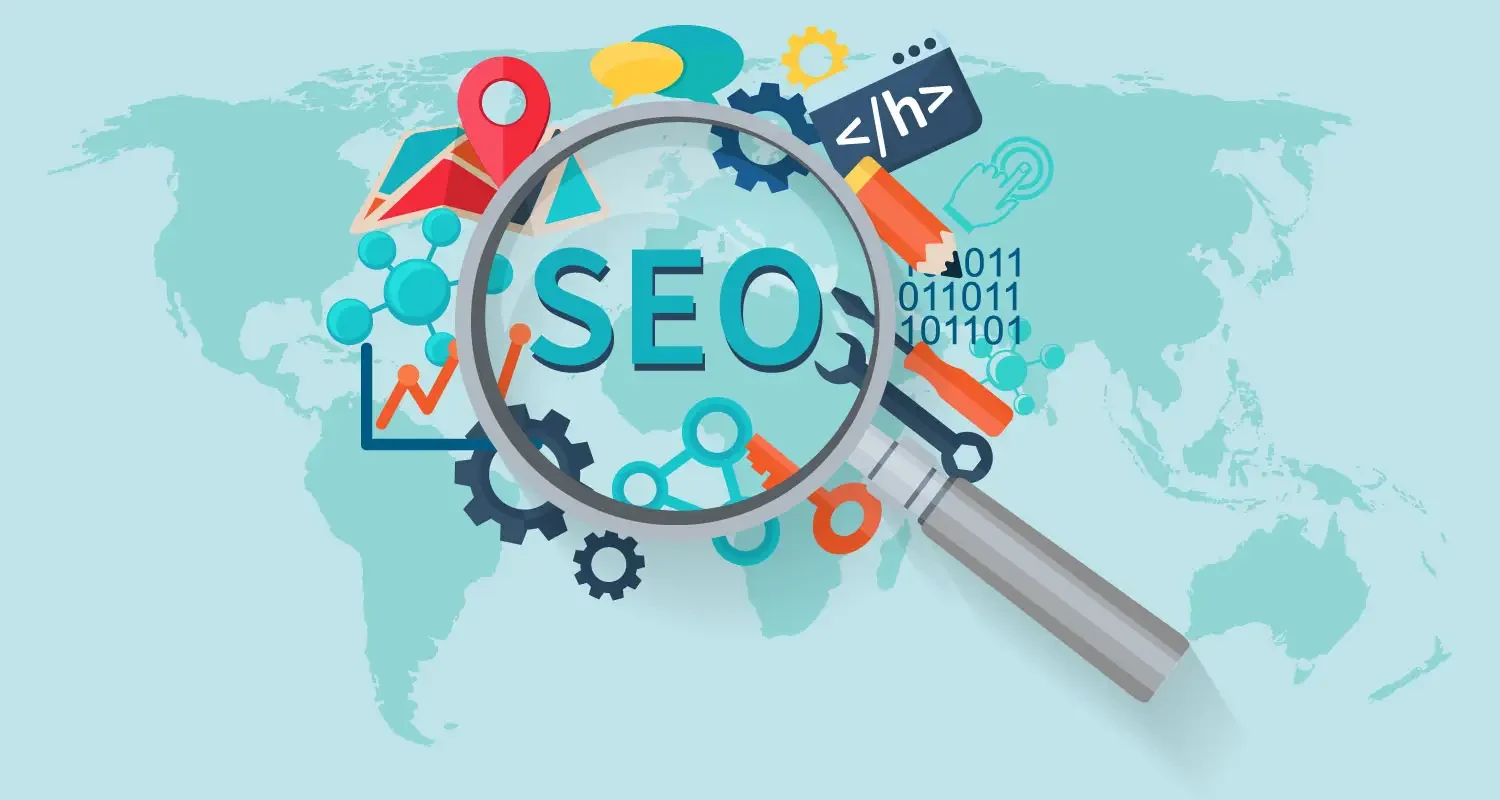
Hundreds of millions of Indians search in their own languages. Here is a technical and content playbook for reaching them.
A practical guide to multilingual and regional-language SEO for India, covering language research, URL structure, hreflang, transliteration and Hinglish queries, local business profiles, voice search, AI search in Indian languages and common mistakes.

How optimizing for AI-generated answers differs from optimizing for a traditional list of search results
As AI-powered answer engines increasingly summarize information directly, marketers are adapting their strategies beyond traditional SEO. This guide compares answer engine optimization and traditional SEO side by side, covering how each approaches content, ranking signals, and measurement.

How brands are using messaging apps for customer service, promotions, and personalized engagement at scale
Messaging apps like WhatsApp have become a direct channel for businesses to reach customers with order updates, support, and promotions. This guide covers how messaging-app marketing works, the rules businesses need to follow, and best practices for keeping engagement high without overwhelming customers.

How schema.org markup helps search engines and AI systems understand your content accurately
Structured data uses a standardized vocabulary to describe page content in a way machines can reliably parse. This guide explains how schema markup works, which types matter most in 2026, and how it supports both traditional search features and AI-driven answer engines.
.webp459b3270-614e-4bcb-838a-4d8239242430.webp)
Rankings alone no longer tell the full story. Here is how to track whether AI search engines mention, cite and send traffic to your brand.
AI Overviews, AI Mode and chat assistants are changing how people find information. This guide sets out a practical measurement framework — citations, mentions, referral traffic, prompt tracking and business outcomes — for teams that need to prove AI search visibility.

Learn what the ASCI influencer advertising guidelines require from creators and brands, including disclosure rules, material connections, #Ad labels, virtual influencers and sponsored social media content.
Influencer marketing has become a major part of digital advertising, but consumers must be able to distinguish promotional content from genuine opinions. The **Advertising Standards Council of India (ASCI)** requires influencers to clearly disclose advertising relationships when a material connection exists with a brand or advertiser. These rules cover more than paid Instagram posts: free products, discounts, gifts, trips, affiliate relationships and other benefits can also create a **material connection** requiring disclosure.
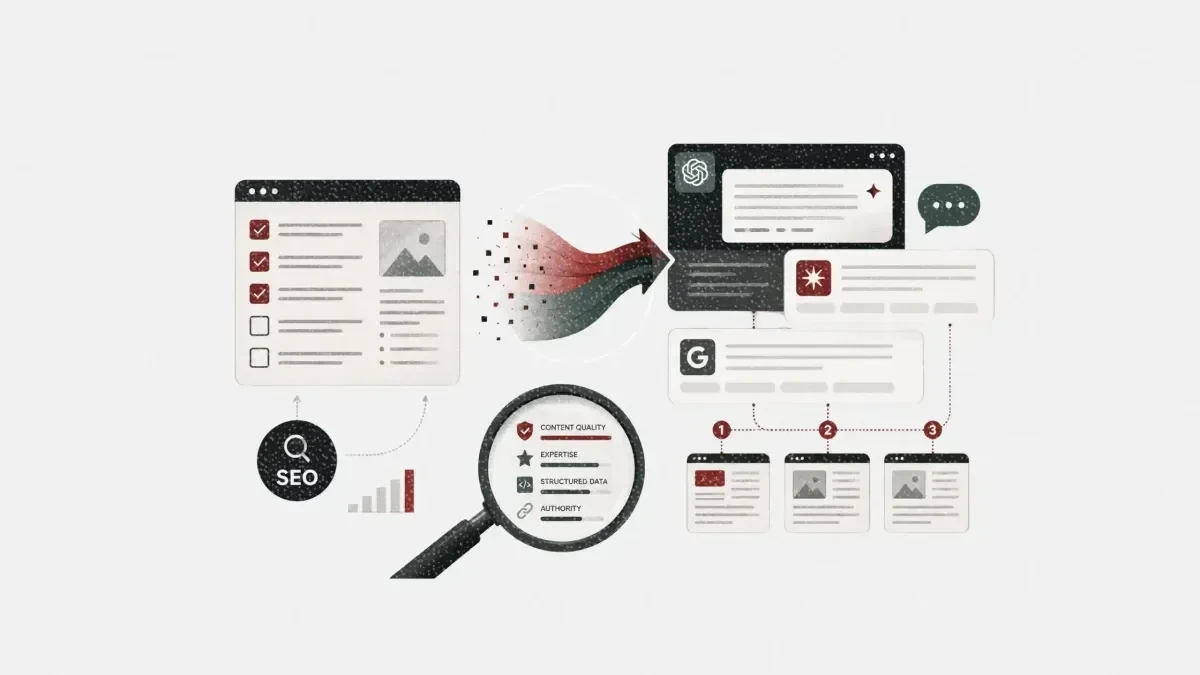
A practical checklist for evaluating whether your content is structured to be found and cited by AI answer engines
As AI-powered search tools increasingly summarize and cite web content directly, publishers need a way to evaluate their own readiness. This guide walks through a practical content audit for generative engine optimization, covering structure, clarity, and technical signals that influence whether AI systems surface a page.
Page 3 of 6